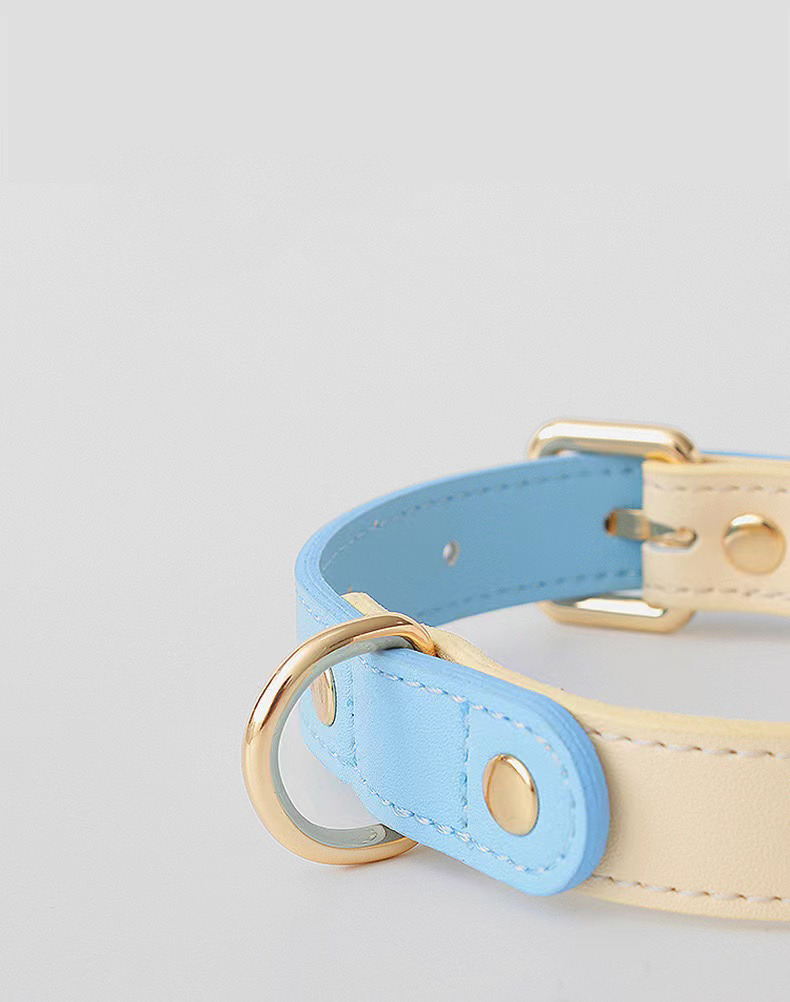
Anti-pull leash products are designed to improve control and walking comfort. Brand buyers need to evaluate webbing strength, hardware reliability, handle comfort and the safety of adjustment components.

Formal buckle belts remain an important accessory for businesswear, uniforms and occasion dressing. Buyers should compare leather grade, buckle finish, edge construction and sizing accuracy before selecting a supplier.
Comfortable pet leashes combine control, soft-touch handling and reliable load-bearing construction. Buyers should evaluate ergonomics together with seam strength and hardware durability.
China has a broad supplier base for pet collars and leashes, ranging from textile specialists to leather-goods factories. A capable partner should provide clear material records, size standards and repeatable hardware quality.
Wide waist belts create a strong visual silhouette and require careful control of flexibility, closure placement and edge finishing. Fashion buyers should compare development capability as well as production consistency.
Automatic buckle belts offer precise adjustment and a clean appearance. Sourcing quality depends on the ratchet mechanism, buckle plating, strap compatibility and long-term cycling performance.
Easy-to-match tote bags succeed through versatile proportions, neutral color planning and practical capacity. Buyers should prioritize structure, handle comfort and reliable reinforcement at high-stress points.
Popular tote bags combine recognizable design language with useful capacity and dependable construction. Private-label buyers can learn from the market while creating original proportions, materials and functionality.
Handmade bracelet-style leather accessories appeal to buyers seeking craft character and personalization. Consistency in cutting, edge finishing, hardware and sizing remains essential for scalable production.
Manufacturers of anti-pull pet leashes must combine controlled stretch, secure hardware and comfortable handling. Product validation should reflect real pulling forces rather than appearance alone.
The Asian men’s belt market values durability, refined hardware and versatile styling. Brand positioning varies, but consistent leather quality and accurate sizing remain universal purchasing priorities.
Leather bracelet manufacturers serve fashion, promotional and gift markets with braided, layered and minimalist designs. Buyers should evaluate skin-contact materials, closure strength and sizing consistency.
Chinese tote bag brands compete through flexible styling, accessible pricing and fast product development. For private-label sourcing, the strongest results come from clear specifications and disciplined sample approval.
Classic women’s leather bags remain relevant because they combine recognizable proportions, practical organization and long service life. Buyers should translate market inspiration into original, well-engineered products.
Classic leather women’s bags from Chinese suppliers range from accessible fashion products to premium OEM programs. Buyers should evaluate pattern engineering, leather consistency, structure and hardware durability.
Leather wrist bracelet belts sit between jewelry and small leather goods. Successful products rely on comfortable sizing, clean edges, reliable closures and finishes that resist sweat and daily wear.
PU belts provide broad color and texture options at accessible price points. Supplier evaluation should focus on coating durability, backing strength, odor control and resistance to cracking at flex points.
Chinese shoulder bag suppliers support a wide range of price levels and materials for European and American buyers. Strong sourcing results depend on clear product engineering, compliance and reliable quality control.
Crossbody bags are popular because they offer hands-free use and compact organization. Buyers should assess strap comfort, closure security, internal layout and the balance of the bag when worn.